


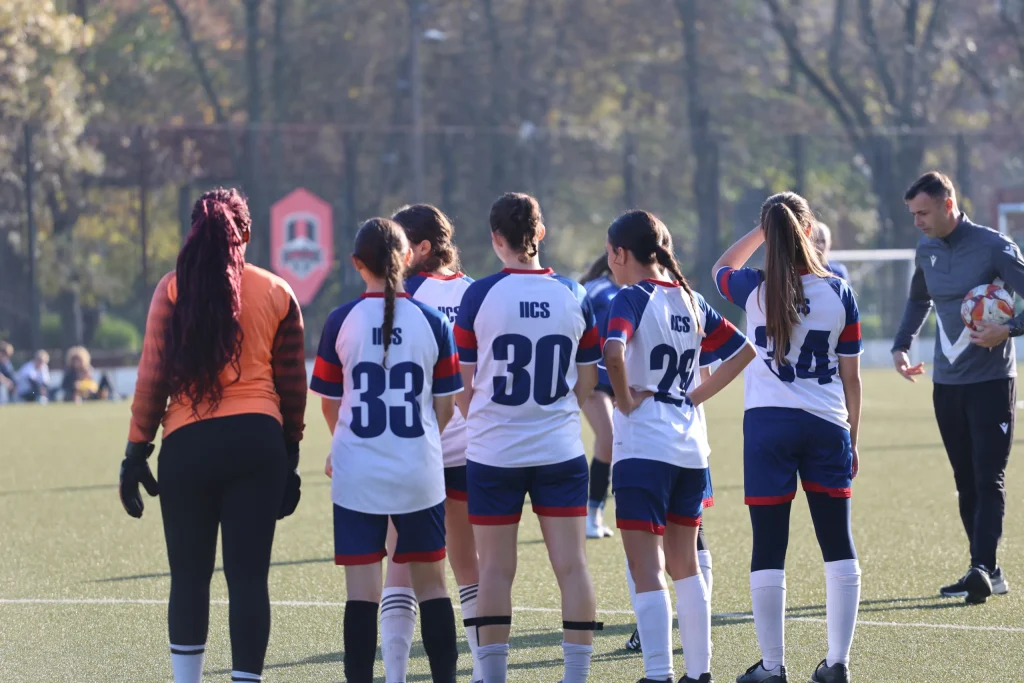
Extracurricular activities are organized programs that students participate in outside of their regular academic classes. These activities can include sports, arts, music, robotics, leadership programs, debate, community service, and various clubs. Extracurricular activities help students develop social, emotional, academic, and practical life skills while exploring their interests and passions.
Key Takeaways
- Extracurricular activities provide learning opportunities beyond the classroom.
- Students develop leadership, teamwork, communication, and time-management skills.
- Participation can improve academic performance and student engagement.
- There are many types of extracurricular activities, including sports, arts, STEM, and service clubs.
- Extracurricular activities in school help students discover interests and talents.
- Parents should guide and support students while allowing them to make their own choices.
- At IICS, students have access to a wide range of after-school programs, clubs, athletics, and leadership opportunities.
Why Are Extracurricular Activities Important for Student Development?
Extracurricular activities play a significant role in helping students grow into well-rounded individuals. While academic subjects provide essential knowledge, extracurricular activities of students create opportunities to develop important life skills that cannot always be learned in a traditional classroom setting.
The impact of extracurricular activities on students extends beyond school years. Students who actively participate often gain confidence, improve their communication abilities, and develop a stronger sense of responsibility.
Support Social Development
One of the biggest benefits of students and extracurricular activities is social growth. Participating in clubs, sports teams, and group projects allows students to interact with peers who share similar interests.
These experiences help students:
- Build friendships
- Improve communication skills
- Learn teamwork and collaboration
- Develop respect for diverse perspectives
- Strengthen leadership abilities
Whether students join a robotics club or a volleyball team, they learn how to work effectively with others toward common goals.
Emotional and Personal Growth
Extracurricular activities for kids provide a safe environment where students can explore their strengths and interests. Through participation, students often develop greater self-confidence and resilience.
Activities outside the classroom help students:
- Discover new talents
- Build self-esteem
- Learn responsibility
- Develop independence
- Manage challenges and setbacks
Trying something new, performing in front of an audience, or competing in a tournament can all contribute to personal growth.
Improve Academic Performance
Research consistently shows a positive extracurricular impact on students’ academic success. Students who participate in structured activities often demonstrate better time management, stronger organizational skills, and increased motivation toward learning.
The benefits of after school programs include:
- Improved focus and discipline
- Better attendance
- Enhanced problem-solving skills
- Greater engagement in school life
- Increased academic confidence
When students feel connected to their school community, they are often more motivated to succeed academically.
Which are the Extracurricular Activities?
There are many different types of extracurricular activities available to students. The best activity is often one that aligns with a student’s interests, strengths, and goals.
Some common extracurricular activities examples include:
- Sports teams (football, basketball, volleyball, tennis)
- Performing arts (choir, theater, dance)
- Visual arts and crafts
- Robotics and coding clubs
- Science clubs
- Debate and public speaking
- Model United Nations
- Student government
- Community service projects
- Environmental and gardening clubs
- Music programs and ensembles
- Language clubs
- Academic competitions
Because every student is unique, schools should offer a variety of extracurricular clubs in schools to support diverse interests and talents.
Where Do Extracurricular Activities Take Place in School Life?
Extracurricular activities in school can take place in many different settings and environments. They are designed to complement classroom learning while encouraging students to engage with the wider school community.
Common locations and formats include:
- Student clubs held after school
- School sports teams and athletic programs
- Performing arts rehearsals and productions
- Music and choir programs
- STEM and robotics workshops
- Leadership and service-learning initiatives
- Academic competitions and enrichment programs
- Community outreach projects
- Field trips and educational excursions
These opportunities create meaningful experiences that help students apply their learning in real-world situations while building confidence and connections with their peers.
What Skills Do Students Gain from Extracurricular Activities?
The skills developed through extracurricular activities often benefit students throughout their academic journey and future careers.
Some of the most valuable skills include:
- Leadership
- Teamwork
- Communication
- Creativity
- Critical thinking
- Problem-solving
- Time management
- Organization
- Adaptability
- Responsibility
These transferable skills are highly valued by universities and future employers because they demonstrate a student’s ability to contribute beyond academic achievement.
How Can Parents Support the Right Extracurricular Activity Choice?
Parents play an important role in helping students navigate extracurricular opportunities. However, the final decision should reflect the student’s own interests, strengths, and goals.
Parents can support the selection process by:
- Encouraging students to explore different options
- Listening to their interests and preferences
- Discussing personal goals and aspirations
- Helping students balance academics and activities
- Supporting commitment once a choice is made
- Avoiding pressure to participate in activities they do not enjoy
The goal is to help students discover activities that inspire them while maintaining a healthy balance between school responsibilities and personal interests.
How Does IICS Support Student Development Through Extracurricular Activities?
At Istanbul International Community School (IICS), extracurricular activities are an important part of student life and holistic development. The school believes that learning extends beyond the classroom and provides opportunities for students to explore interests, develop talents, and build meaningful connections.
IICS offers a wide range of opportunities across primary and secondary school levels, including:
- Athletics and sports programs
- Student-led clubs
- Robotics and STEM activities
- Speech and Debate
- Model United Nations (MUN)
- Music ensembles and choir
- Visual arts and creative programs
- Community service opportunities
- Leadership development experiences
- Cultural and educational field trips
Students can participate in seasonal co-curricular programs, explore new interests, and develop valuable life skills through hands-on experiences. IICS also participates in the Central Eastern European Schools Association (CEESA), giving students opportunities to engage in international athletic and academic events.
By providing a diverse range of extracurricular activities, IICS supports the intellectual, emotional, social, and physical development of every student.
Frequently Asked Questions
How to choose the right extracurricular activity?
Students should choose activities based on their interests, strengths, and personal goals. Exploring different options can help them discover what they enjoy most before making a long-term commitment.
How many extracurricular activities should a child join?
There is no perfect number. Most students benefit from participating in one to three activities while maintaining a healthy balance with academics, family time, and personal wellbeing.
At what age should students start extracurricular activities?
Students can begin participating in age-appropriate extracurricular activities for kids as early as primary school. Early exposure helps children explore interests and develop social skills.
Do extracurriculars matter for university applications?
Yes. Universities often value students who demonstrate commitment, leadership, initiative, and community involvement through extracurricular activities alongside academic achievement.
Do extracurriculars reduce student stress?
When chosen appropriately, extracurricular activities can help reduce stress by providing creative outlets, social connections, physical activity, and opportunities to pursue personal interests outside academic pressures.


